September 18, 2025 · 1 min read
The History of Uzbek Craft and Traditions
A living timeline of Uzbek craft
Uzbek craft is a living archive of the Silk Road. For centuries, artisans have turned local clay, silk, wood, and metal into practical objects with refined beauty. Markets in Bukhara, Samarkand, Tashkent, Khiva, and the Ferghana Valley still echo with techniques passed down in families for generations. If you're new to the topic or planning a trip, start with this clear overview of where the traditions began, how they changed, and what to look for today. For a deeper dive with examples and travel tips, see Arts and crafts of Uzbekistan: traditions and styles.
From caravan roads to modern studios
- Early roots: Oasis towns along the Silk Road traded raw materials and finished goods. Potters refined local clays; weavers mastered silk and wool; metalworkers produced durable tools and elegant tableware.
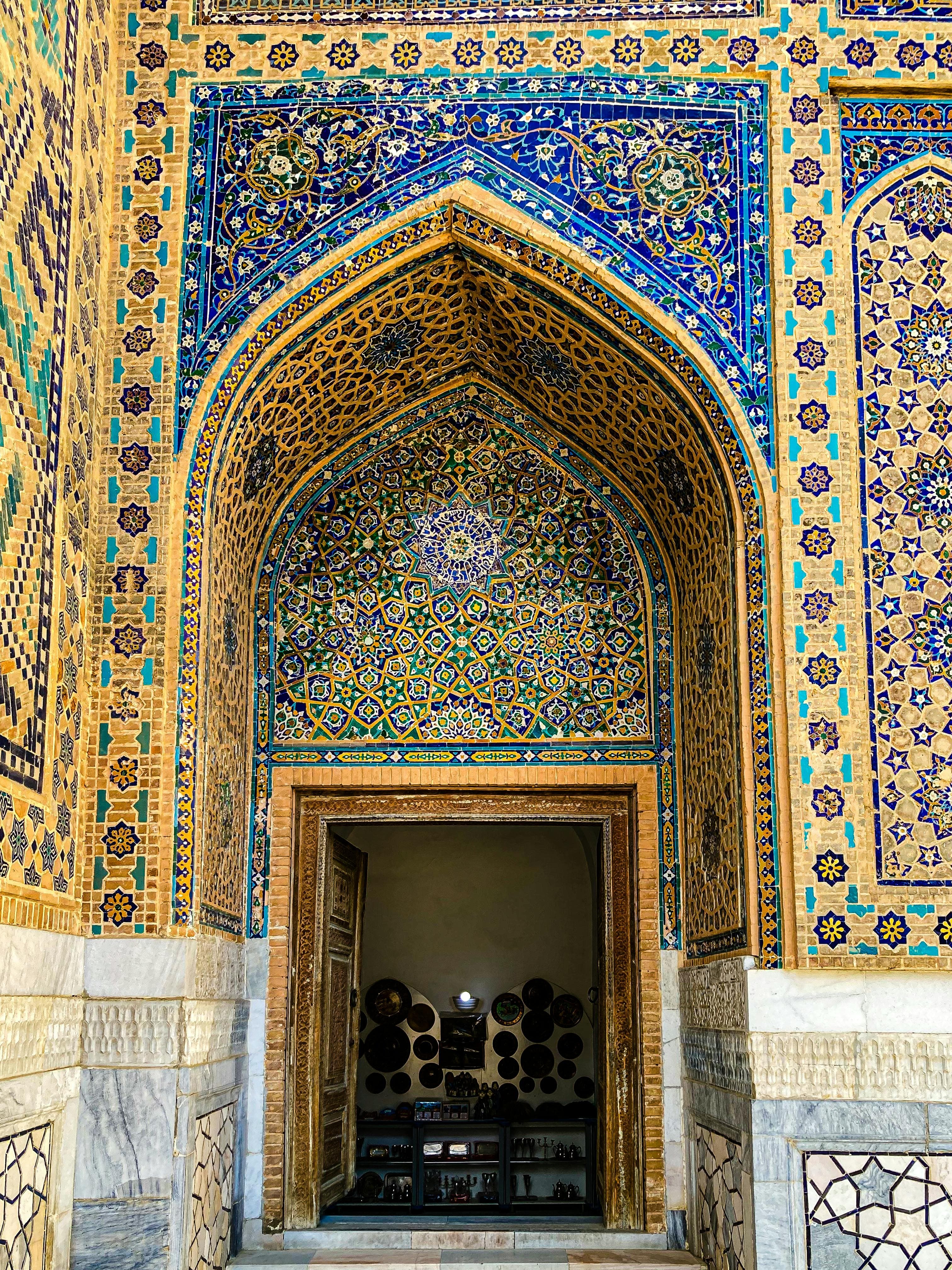
- Timurid era (14–15th centuries): Royal workshops in Samarkand and Herat elevated tilework, miniature painting, and book arts. Techniques and motifs spread across the region.
- Khanates period (16–19th centuries): Strong regional schools formed. Bukhara became known for gold embroidery (zarduzi) and jewelry, Khiva for woodcarving and door panels, and the Ferghana Valley for ceramics and silk weaving.
- 20th century: Cooperatives preserved skills through changing times. Some styles became more standardized; others survived in family workshops and rural communities.
- Independence to today: Fairs, guilds, and schools revived traditional methods. The Kokand International Handicrafters Festival and regional studios helped artisans reach global audiences while keeping quality high.
Signature crafts and where to find them
- Ceramics: Rishtan and Gijduvan are famous for distinctive glazes and patterns—think deep blues, turquoise, and earthy tones. Look for well-balanced forms and a clean ring when gently tapped.
- Ikat (atlas and adras): Margilan weavers dye threads before weaving to create soft-edged motifs. Silk atlas is glossy and light; cotton-silk adras is breathable and strong.
- Suzani embroidery: Large wall textiles from Bukhara, Samarkand, and Nurata feature pomegranates, sun disks, and vines. Hand stitches show slight variations—a sign of true craftsmanship.
- Woodcarving: Khiva and Tashkent workshops carve pillars, doors, and chests with geometric and floral designs. Crisp cuts and depth transitions matter.
- Metalwork: Brass and copper tableware is engraved by hand; Chust (Namangan region) is known for knives with horn or walnut handles. Balance and secure fit are key.
- Carpets and flatweaves: Regional designs vary, but natural dyes and tight, even knots indicate care.
How to recognize quality
- Materials: Natural silk, cotton, wool, hardwood, or food-safe metals. Handmade ceramics may show subtle throwing lines or foot-ring marks.
- Technique: Slight irregularities are good. Identical, printed-looking repeats can signal mass production.
- Finish: Smooth to the touch, stable color, no sharp edges or loose ends.
- Provenance: Ask about the maker, workshop, and region. Reputable sellers can explain the process.
Responsible buying and care
- Support artisans directly when possible, or buy from trusted galleries with clear sourcing.
- For textiles: keep out of direct sun; dry-clean delicate silk and embroidered pieces.
- For ceramics: hand-wash; avoid sudden temperature changes.
- For wood: dust gently; use natural wax sparingly.
Planning a craft-focused trip
A good route links Tashkent (museums and studios), the Ferghana Valley (Margilan silk, Rishtan ceramics), Samarkand (paper workshop in Konigil and suzani), Bukhara (gold embroidery, jewelry), and Khiva (woodcarving, carpets). To map workshops, markets, and festivals, use this guide: Uzbek crafts: traditions and styles.
Quick FAQ
- What is the most iconic craft? Ikat silk from Margilan and Rishtan ceramics are often cited, but suzani embroidery is just as emblematic.
- Are natural dyes still used? Yes, many workshops use natural dyes; some combine them with modern, stable dyes for consistency.
- Can you visit workshops? In most craft towns you can tour studios, watch demonstrations, and buy directly.
- How to ship items home? Ask sellers about packing. Many galleries can arrange international shipping with insurance.
Uzbek craft is not a museum piece—it's everyday art you can use, wear, and pass on. Whether you're collecting or learning, the best part is meeting makers and hearing their stories. Let that guide what you bring home, and you'll carry a piece of the Silk Road into your daily life.