September 4, 2025 · 1 min read
The Symbol of Uzbek Nation: Icons Explained
What is the symbol of the Uzbek nation? There isn't just one. Uzbekistan expresses its identity through a set of strong, recognizable symbols that you'll notice on buildings, banknotes, crafts, and in everyday life. Below we explain the most important icons, what they mean, and where you'll encounter them when traveling.
If you're planning a trip and want a quick overview of the country's highlights, check this helpful guide from Minzifa Travel: What Uzbekistan Is Best Known For.
The Huma bird: a national emblem of freedom
At the heart of the State Emblem spreads the mythical Huma (Khumo) bird. It stands for happiness, dignity, and freedom. You'll see the Huma with outstretched wings above a landscape of sun, mountains, and rivers—an image of prosperity and open horizons. Look for it:
- On government buildings and official seals
- On banknotes and passports
- In schools and museums displaying the coat of arms
The State Emblem: wheat, cotton, sun
The emblem is a compact map of values:
- Wheat and cotton wreath: bread and "white gold" (cotton) that long supported the economy.
- Rising sun over mountains and rivers: a bright future and the Amu Darya and Syr Darya lifelines.
- Eight-pointed star (Rub el Hizb) with crescent and star: history, culture, and continuity. Together, these elements tell a story of work, abundance, and renewal.
The Flag: colors with clear meaning
The national flag's three colors are straightforward:
- Blue: sky, water, and Turkic heritage
- White: peace and purity
- Green: nature and growth Two thin red lines symbolize the energy of life. The crescent echoes faith and renewal. Twelve stars recall months of the year and ancient constellations—order, rhythm, and time.
Cotton and wheat: everyday abundance
Cotton is more than a crop; it shaped towns, jobs, and trade—hence "white gold." Wheat equals daily bread (non), a symbol of hospitality. You will often be welcomed with bread and tea, a small gesture that carries big meaning.
Cuisine as a cultural symbol: plov
Plov (palov) is a national classic and a point of pride, recognized by UNESCO as intangible cultural heritage. It's simple—rice, carrots, onions, meat—yet deeply social. Weddings, markets, and family tables revolve around it. If one dish represents the Uzbek nation to visitors, it's plov.
Architecture that speaks
Certain places have grown into visual shorthand for the country:
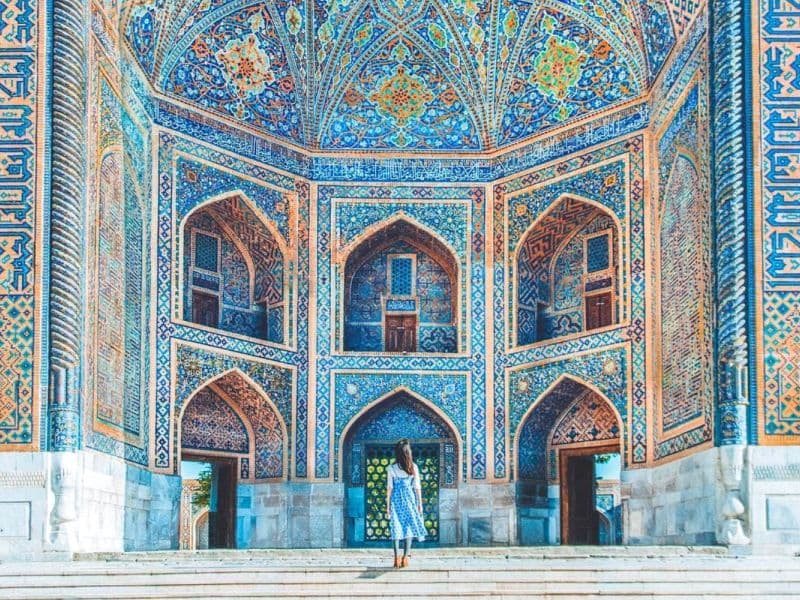
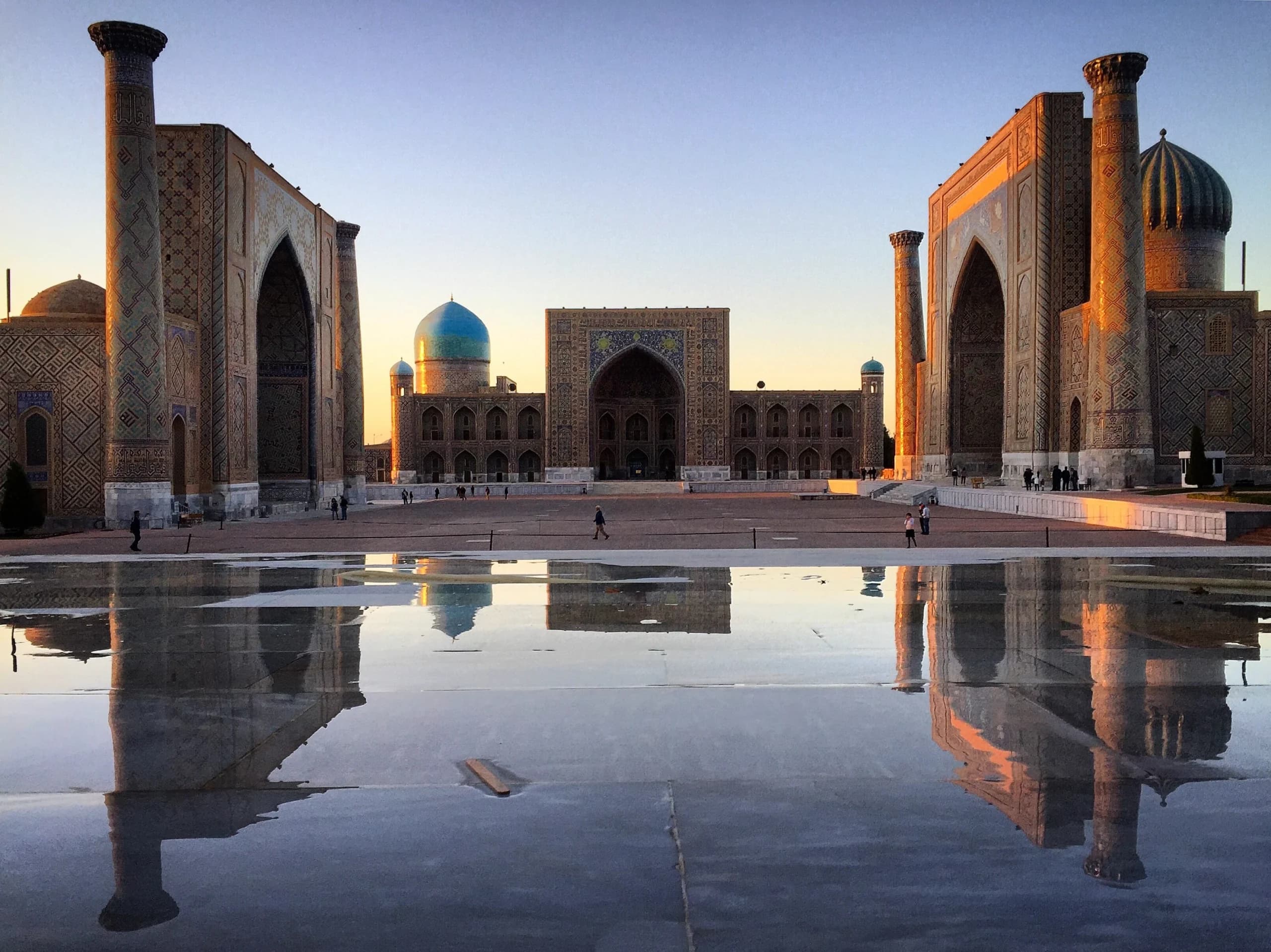
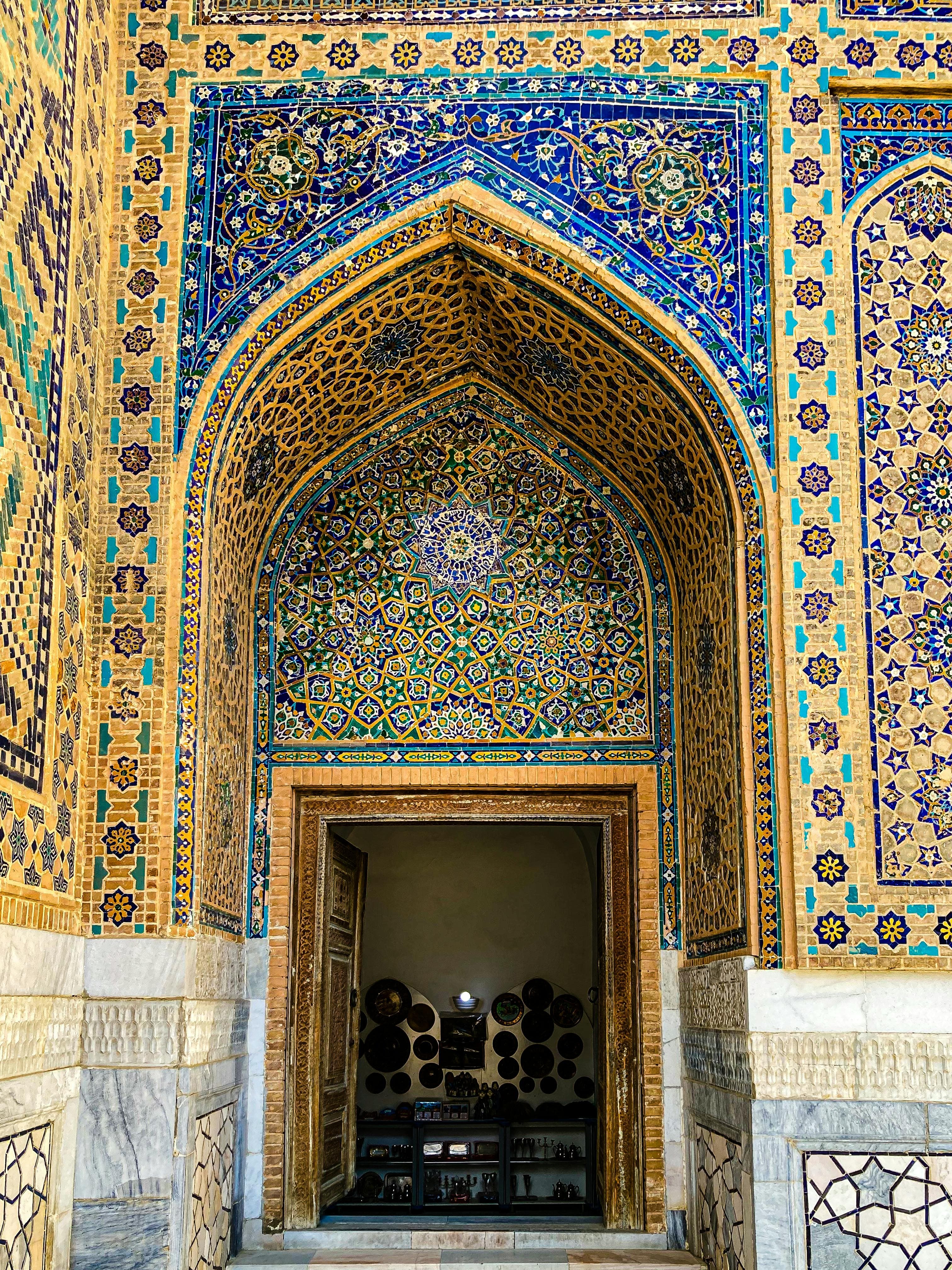
- Registan, Samarkand: the iconic ensemble of madrasas
- Itchan-Kala, Khiva: a preserved inner city of clay walls and minarets
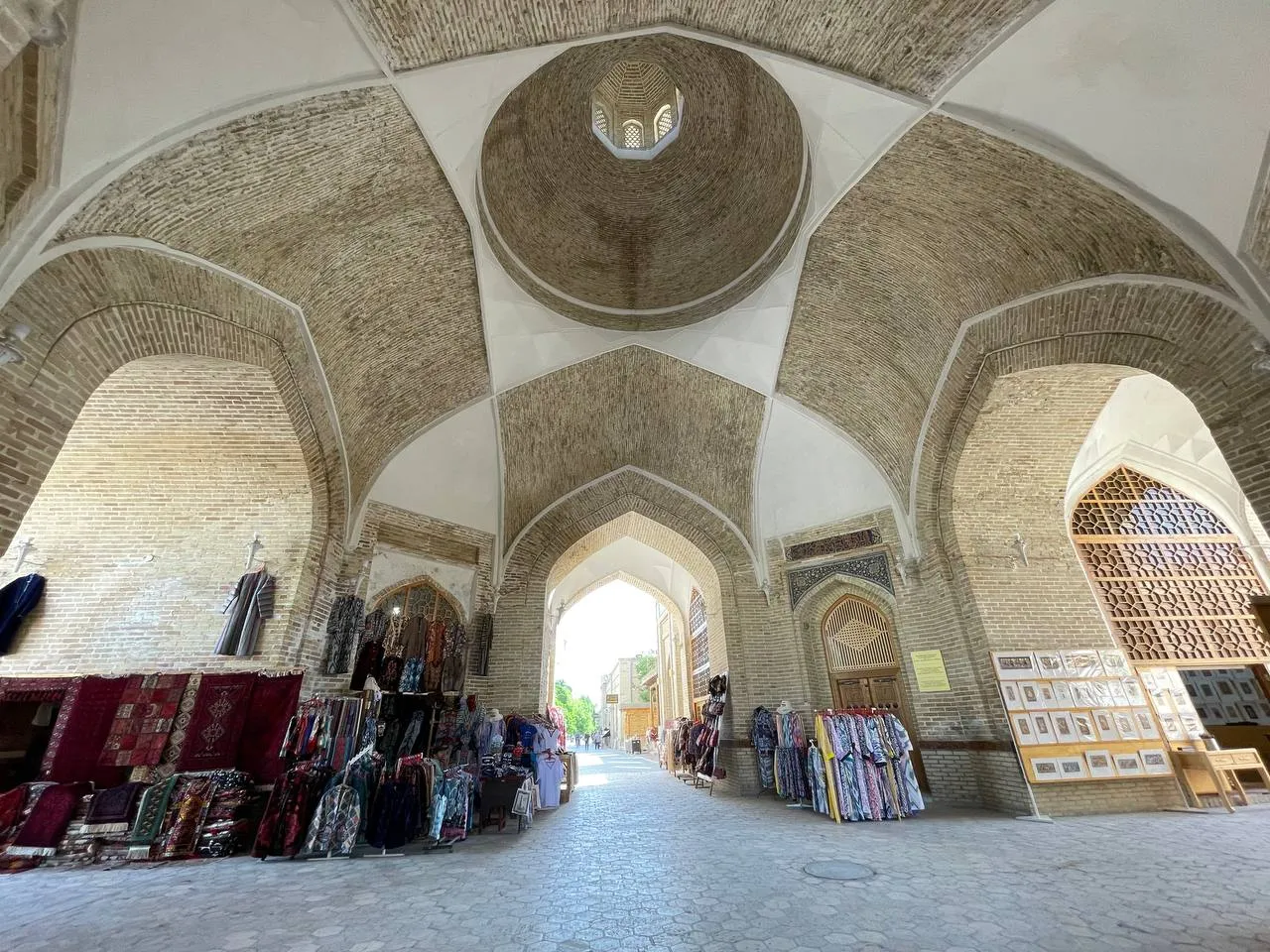
- Historic Bukhara: mosques, caravanserais, and the Kalyan Minaret These sites embody education, trade, and craft—all core to Uzbekistan's story along the Silk Road.
Craft and dress
- Do'ppi (skullcap): regional patterns tell where it's from
- Suzani embroidery: bright floral motifs symbolizing protection and joy
- Silk and ikat: bold textiles that traveled the Silk Road
Quick answers
- The symbol of the Uzbek nation in the state sense: the Huma bird on the coat of arms.
- A widely recognized cultural symbol: plov and the ritual of hospitality with bread and tea.
- Visual national symbols you'll spot instantly: the flag's crescent and 12 stars; cotton and wheat on the emblem.
Where to see and how to plan
You'll notice these symbols everywhere—on flags in city squares, on university facades, in bazaar textiles, and carved into doors. To connect symbols with real places and routes, use this clear overview: What Uzbekistan Is Best Known For: Top Highlights. It's a handy starting point for building an itinerary around Samarkand, Bukhara, and Khiva while keeping an eye out for the Huma, the flag, and the everyday language of bread, tea, and craft.
In short, the symbol of the Uzbek nation isn't a single mark but a living set of signs—the Huma's wings, the sun, wheat and cotton, the crescent and stars, a bowl of plov, and a warm welcome at the table.