August 29, 2025 · 1 min read
Traditional Craft Example: Uzbek Ikat Weaving Explained
Short answer: a clear example of a traditional craft is Uzbek ikat weaving — a hand-dyed resist technique that creates patterned silk and cotton fabrics.
What is ikat?
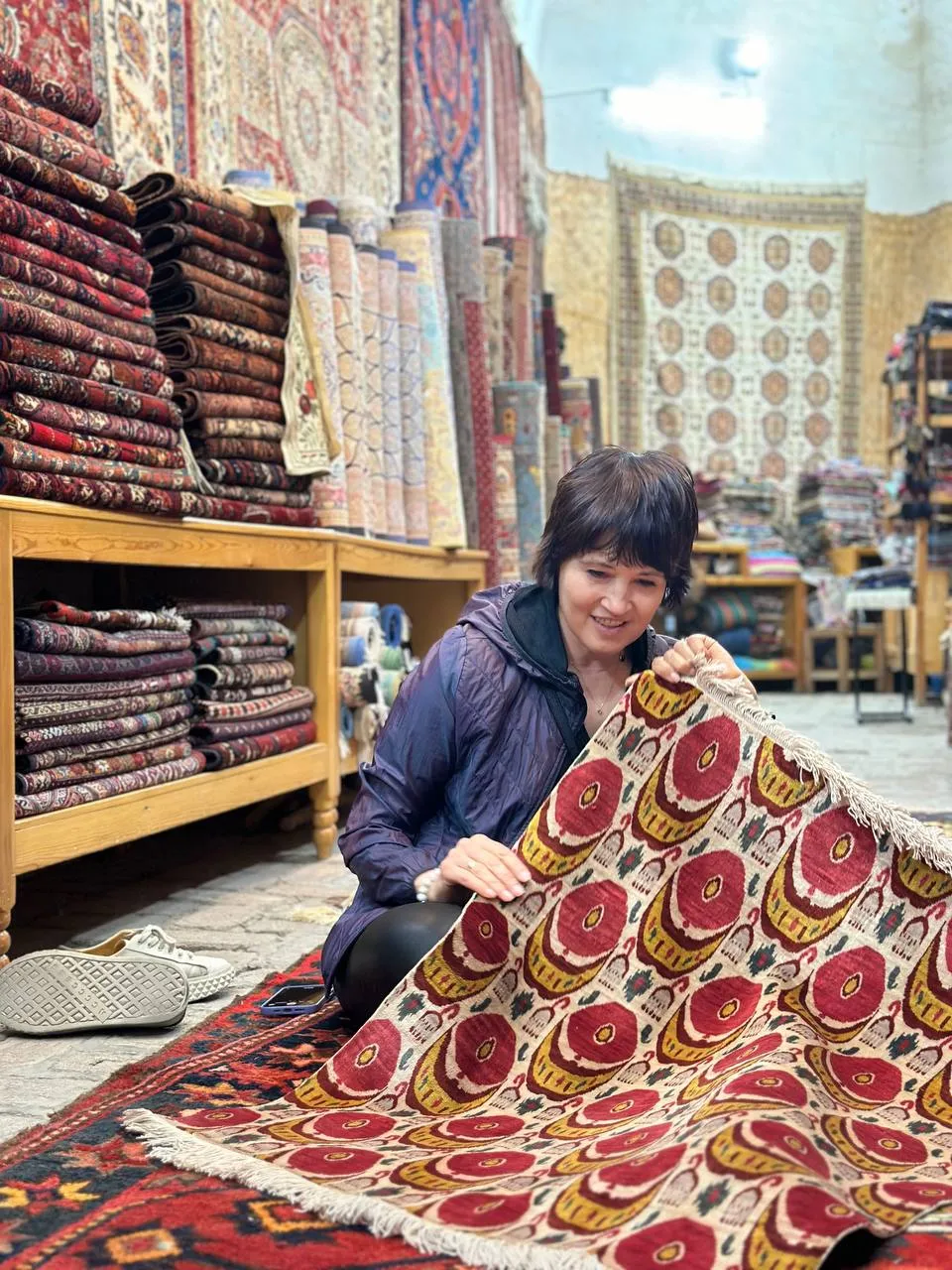
Ikat is a fabric made by dyeing threads in planned sections before weaving. Artisans tie parts of the warp (and sometimes the weft) to resist dye, then color the exposed areas. When the threads are woven, the pattern appears with a soft, feathered edge that printing cannot copy. In Uzbekistan, ikat is called "adras" (silk–cotton blend) or "atlas" (pure silk).
If you want a quick overview of Uzbek crafts and where to see them, check this helpful guide: Traditional Arts and Crafts of Uzbekistan.
Where it's made
The heart of ikat in Uzbekistan is the Fergana Valley, especially Margilan. Workshops range from small family ateliers to larger studios that keep traditional steps while meeting modern demand.
Tools and materials
- Threads: silk, cotton, or a blend (adras)
- Natural or modern dyes, depending on the workshop
- Ties (strings) for resist binding
- Warping frame and dye vats
- Handloom for weaving
How ikat is made (simple steps)
- Design: the artisan sketches a repeat pattern.
- Marking the warp: sections of threads are measured to match the design.
- Tying (resist): tight bindings protect parts of the thread from dye.
- Dyeing: threads are dipped; bindings are adjusted for each color layer.
- Setting the loom: dyed warps are aligned so motifs line up.
- Weaving: the pattern forms as the weaver beats each pass.
- Finishing: washing, stretching, sometimes light ironing or sizing.
Why it matters
Ikat weaving carries local history, family skills, and regional identity. Patterns often reference flowers, pomegranates, or protective symbols. Buying authentic ikat supports artisan livelihoods and keeps the craft alive.
How to spot authentic ikat
- Soft, blurry edges between colors (a sign of pre-dyed threads)
- The pattern should be visible on both sides
- Slight irregularities that show handwork, not defects
- Labels like adras (silk–cotton) or atlas (silk)
Price factors
- Fiber: silk costs more than cotton
- Colors: more colors mean more tying and dyeing
- Width and length: wider, longer pieces take more time
- Origin and reputation of the workshop
Uses
- Clothing: robes, jackets, dresses, scarves
- Home: cushions, runners, wall hangings
- Accessories: bags, belts, notebook covers
Care tips
- Hand-wash cool with mild soap; do not wring
- Dry flat or on a padded hanger, away from direct sun
- Iron on low heat through a cloth
Where to see and buy responsibly
Look for studios in Margilan that allow visitors to watch tying, dyeing, and weaving. Ask if natural dyes are used and whether the workshop trains apprentices. For planning ideas and addresses, see this practical resource: guide to Uzbek traditional arts and crafts.
Quick FAQ
- Is ikat the same as printed fabric? No. Ikat threads are dyed before weaving; prints are colored after weaving.
- Can I find affordable pieces? Yes. Cotton and small accessories are budget-friendly.
- Is it ethical to buy? Choose workshops with transparent practices and fair pay; ask questions.
Summary
If you're asked for a single example of a traditional craft, Uzbek ikat weaving is a strong, real-world answer. It is handmade, culturally rooted, and still used today — from local clothing to modern interiors. With a bit of care, authentic ikat lasts for years and brings a piece of Central Asian heritage into daily life.