August 28, 2025 · 1 min read
Uzbekistan Culture: Traditions, Crafts and Modern Life
What kind of culture does Uzbekistan have? In short: a warm, Silk Road blend shaped by Persian, Turkic and Islamic traditions, with traces of the Soviet era and a confident modern pace. It's community‑minded, family‑focused and famously hospitable, where tea welcomes every guest and craft, architecture, music, and food tell centuries of stories.
Core values you'll notice
- Hospitality (mehmonnavozlik): guests come first, tea is poured often, and people take time to talk.
- Respect for elders: greetings start with older family members; advice from seniors matters.
- Family and community: big weddings, shared meals, and strong neighborhood ties (mahalla).
Language and faith
- Language: Uzbek is the state language (in Latin script, with some Cyrillic still around). Russian is widely understood, and Tajik is common in parts of Samarkand and Bukhara.
- Religion: Most people are Sunni Muslim (Hanafi). The state is secular; daily life ranges from traditional to modern. You'll also see shrines, Sufi heritage, and vibrant holiday observance.
Arts and crafts (living traditions)
Uzbekistan's applied arts are world‑class and practical—made to be used and admired. Expect bold color, symmetry, and handwork passed down through families.
- Textiles: Ikat (atlas, adras) with striking, blurred patterns; hand‑embroidered suzani used at home and for celebrations.
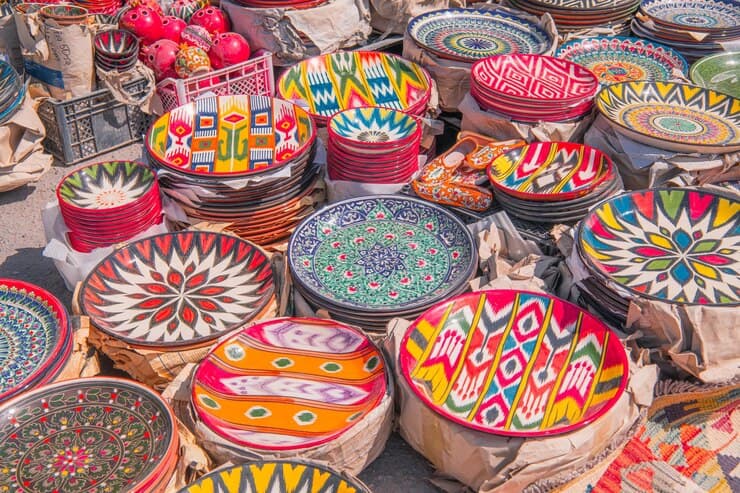
- Ceramics: Rishtan blue‑green glazes, Gijduvan earth tones, and distinctive local shapes.
- Wood and plaster carving: doors, pillars, and ceilings with fine geometric motifs.
- Metalwork and jewelry: knives, teapots, and silver pieces with delicate detail. For a deeper dive into techniques and regions, see this practical overview: Uzbekistan art, crafts, textiles and ceramics guide.
Music, dance and storytelling
- Classical music: Shashmaqom—complex, courtly suites rooted in Bukhara and Samarkand.
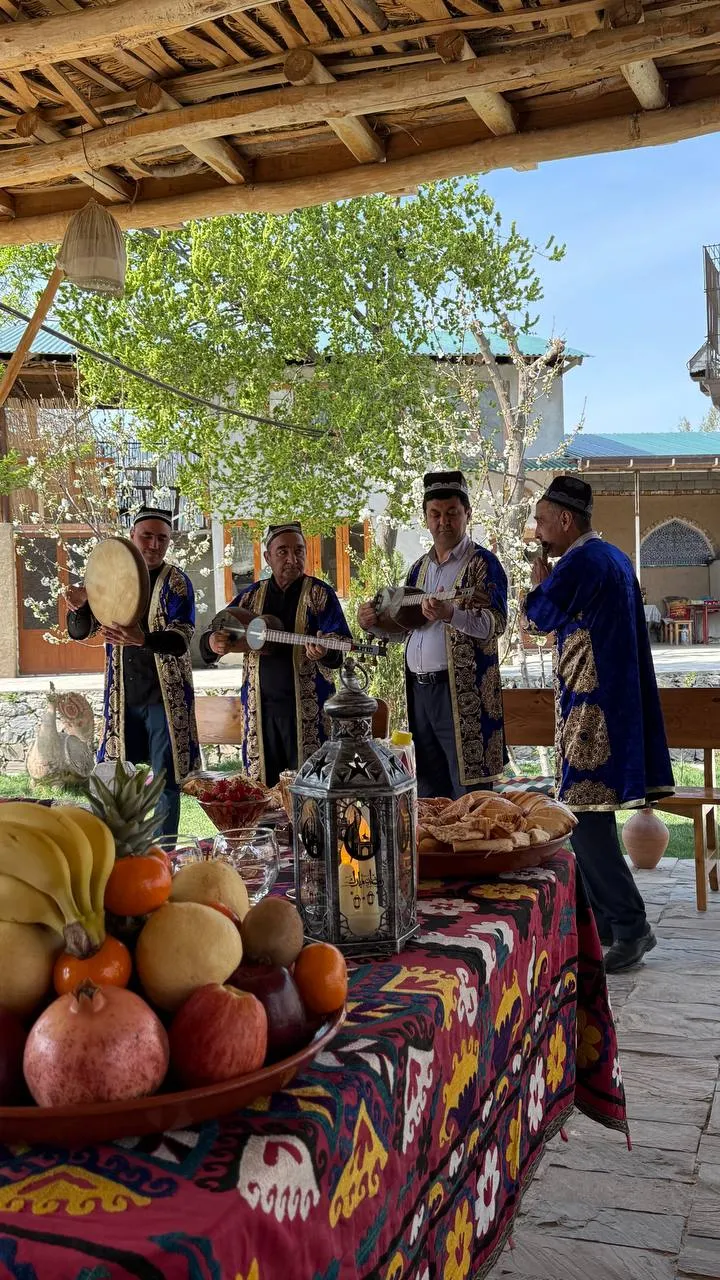
- Folk instruments: doira (frame drum), dutar and tanbur (lutes), surnay (reed), and karnay (long trumpet for ceremonies).
- Dance: graceful handwork, expressive eyes and shoulders; regional styles differ, with bright costumes.
- Oral heritage: epic tales, proverbs and humor keep history alive in everyday talk.
Architecture and cities
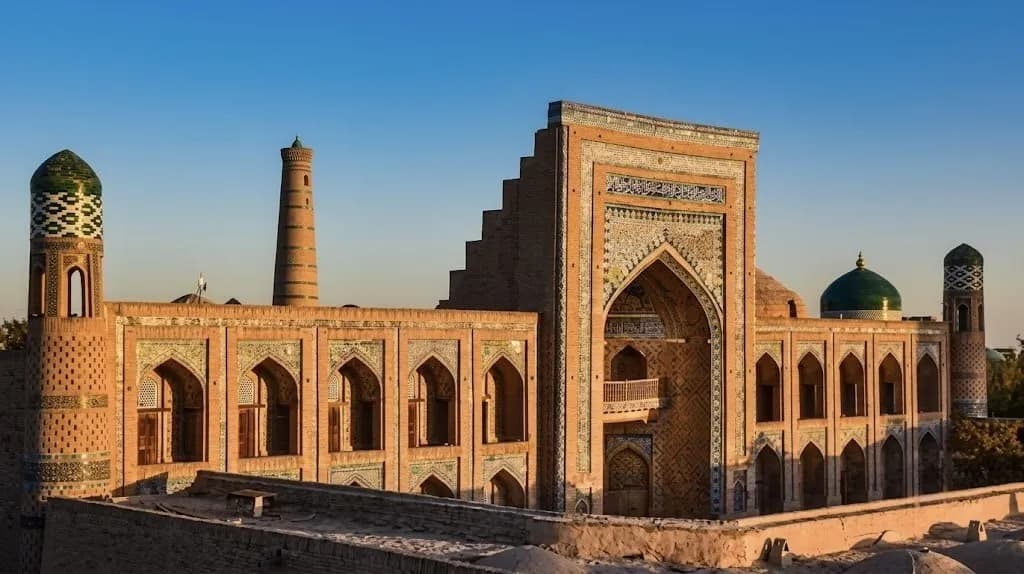
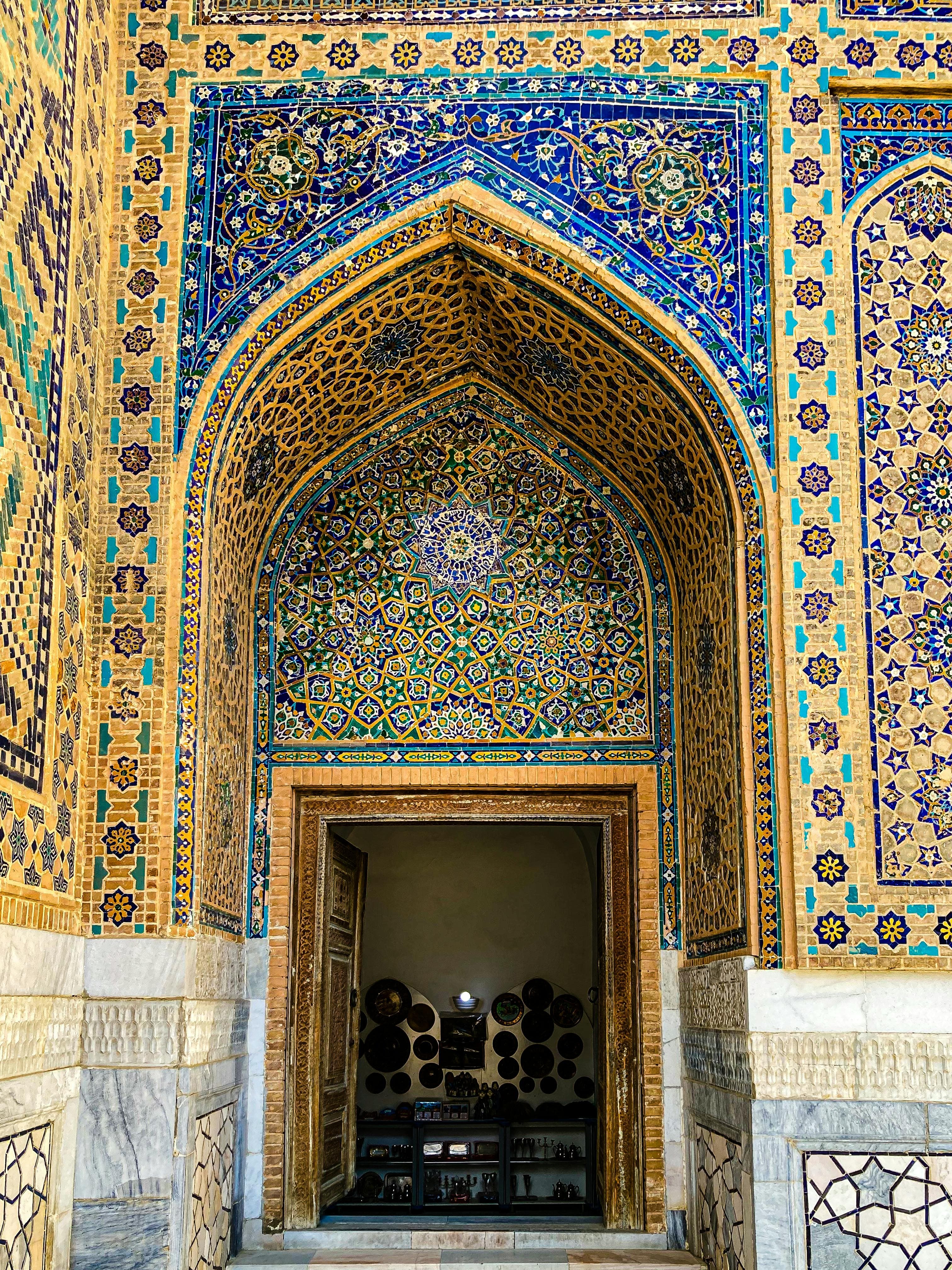
- Timurid and Silk Road style: turquoise domes, mosaic and carved terracotta, grand madrasas and caravanserais.
- Highlights: Registan in Samarkand, old quarters of Bukhara, city walls of Khiva, and lesser‑known gems in Kokand, Shakhrisabz and Termez.
- Sacred sites: shrines, necropolises and Sufi complexes draw pilgrims and travelers alike. Walking these places shows how trade, learning and faith shaped public life.
Food culture (more than plov)
- Plov (osh): fragrant rice with carrot, onion and meat—every region has its own style.
- Bread (non): baked in tandoor; never placed upside down.
- Street favorites: samsa, shashlik, somsa with pumpkin or meat, somsa with greens in spring.
- Noodles and soups: lagman, shurpa, mastava.
- Tea and fruit: green tea is standard; melons and grapes are a point of pride. Meals are social: expect shared plates, toasts, and longer conversations than you planned.
Festivals and life events
- Navruz (21 March): spring New Year with sumalak, games and open‑air festivities.
- Ramadan and Eid: family gatherings and charity are central.
- Weddings: multiday events with music, dance and community involvement. These moments bring neighbors together and show the rhythm of the year.
Regional variety
- Ferghana Valley: dense craft traditions (ikat weaving, ceramics) and fertile orchards.
- Samarkand & Bukhara: Persian‑Tajik influence in language and classical arts.
- Khorezm & Karakalpakstan: desert edge culture, yurt heritage, and the Nukus Museum of Savitsky's avant‑garde collection.
- Mountain villages: cooler summers, shepherd life and hearty food.
Modern life and the new wave
Contemporary designers rework ikat into fashion; young chefs reinvent classics; galleries and festivals grow in Tashkent and beyond. Tech, education and tourism bring new ideas, while neighborhoods keep familiar customs. The mix feels practical, not showy—rooted in craft and family.
Etiquette tips for travelers
- Greetings: a handshake with men; a hand to the chest is polite. Smile.
- Dress: modest in religious places; a scarf helps for women in shrines.
- Homes: remove shoes when asked; accept at least a sip of tea.
- Photos: ask before photographing people, especially in markets and at shrines.
- Respect food and bread; use the right hand when possible.
If you want a concise guide to the main art forms, materials and where to see them, this resource is handy: Minzifa Travel's article on Uzbek crafts and ceramics.
In one line
Uzbekistan's culture is welcoming and finely made—woven from trade routes, faith and family, with living crafts, soulful music and food that brings people together.