September 23, 2025 · 1 min read
What Defines the Uzbek Spirit Today
What is the Uzbek spirit?
The Uzbek spirit is a warm blend of hospitality, craftsmanship, and Silk Road curiosity. It shows in how people welcome guests, share food, care for neighbors, and keep traditions alive while staying open to the world. You feel it at a family table with hot tea, in the rhythm of doira drums, and in the colors of suzani and ikat.
Core values you'll notice
- Hospitality (mehmondo'stlik): guests are treated like family, often with the best seat and the first serving.
- Community (mahalla): local neighborhoods where people support each other and celebrate together.
- Respect for elders: greetings are sincere; advice from seniors carries weight.
- Pride in heritage: from Silk Road cities to living crafts passed down through generations.
Craftsmanship as identity
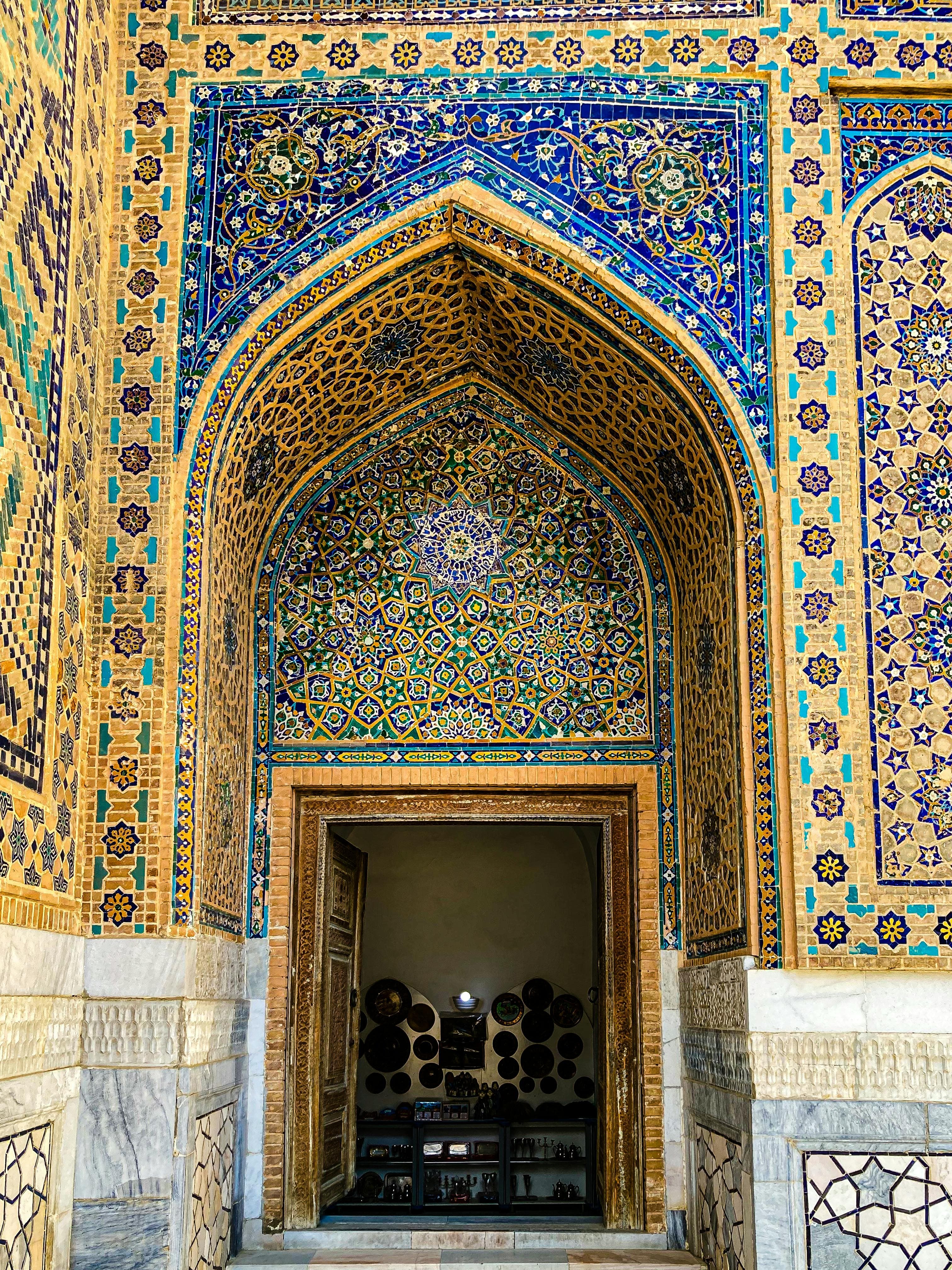
Craft is not just work—it's memory. Uzbekistan's cities each carry a craft signature: Rishtan ceramics, Margilan ikat, Bukhara gold embroidery, Khorezm wood carving, and lively metalwork. If you want a clear, traveler-friendly overview of styles, symbols, and where to find artisans, explore the Traditional Arts and Crafts of Uzbekistan Guide. It breaks down techniques, regions, and tips for responsible buying. You can also keep it handy when planning routes between workshops—this same guide on Minzifa Travel highlights what to look for so you avoid generic souvenirs. For a deeper dive into suzani patterns and the story behind natural dyes, return to the crafts of Uzbekistan guide before you shop.
Food: the social glue
Meals bring people together. Expect:
- Plov: rice with meat, carrots, and spices—simple, generous, shared from a large dish.
- Non (flatbread): always respected; never placed upside down.
- Tea culture: green tea sets the tone for conversation and welcome.
- Samsa, shashlik, fresh fruits: seasonal, hearty, and best enjoyed slowly.
Music, dance, and celebration
You'll hear classical shashmaqom in Bukhara, feel the beat of the doira drum, and see energetic dances like Khorezm's lazgi. Weddings and Navruz (spring new year) bring music to streets and courtyards, turning ordinary days into open invitations.
Faith and everyday life
Most Uzbeks are Muslim, and faith blends with daily routines—modesty, kindness to guests, and community care. Sufi heritage, including the Naqshbandi tradition near Bukhara, adds a quiet focus on inner ethics and service.
City personalities
- Tashkent: modern boulevards, metro art, and lively bazaars.
- Samarkand: Registan's geometry and a global outlook shaped by trade.
- Bukhara: slow pace, courtyards, and craft lanes.
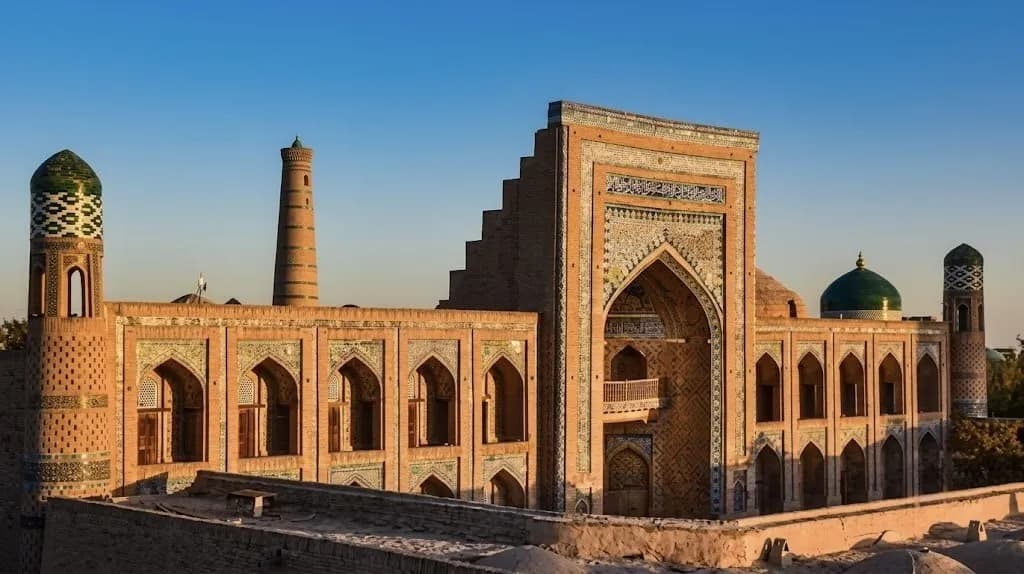
- Khiva: storybook walls and evening strolls.
- Fergana Valley: orchards, pottery, and ikat weaving.
How to connect respectfully
- Greet with a smile; a hand on the heart shows sincerity.
- Accept tea; even a sip honors your host.
- Dress modestly in historic and religious places.
- Remove shoes when asked; bring a small gift if invited home.
- Ask before taking photos, especially of people and in workshops.
In short
The Uzbek spirit is practical kindness, patient craft, and joy in sharing—shaped by the Silk Road and kept alive at home. If crafts are your doorway into culture, bookmark the Traditional Arts and Crafts of Uzbekistan Guide and use it to plan meetings with artisans and markets. It will help you see not just what to buy, but why it matters.